

Our Story
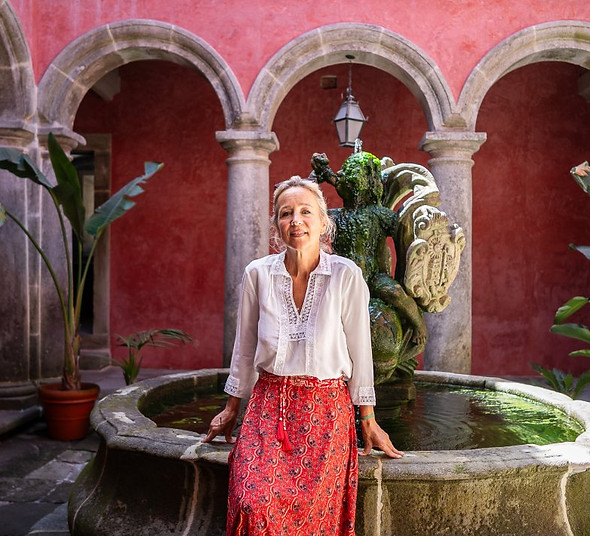
The Convento de Cabanas was the scene of a true love at first sight in December 2018, when I stepped over the threshold of the church. From that magical moment, a deep connection enveloped me. This enchanting experience inspired me to embark on a passionate quest for restoration, a four-year journey during which I sought to breathe new life into this place imbued with charm and history.
I was fortunate to be surrounded by a dedicated team of workers from the Minho region and a young architect specializing in historical monuments. Together, we worked passionately to infuse a new soul into this space, which had been abandoned for a decade. Each step of this transformation, though lengthy, turned out to be an adventure filled with gratitude and beauty—a radiant renaissance for this forgotten sanctuary.
With care and devotion, I chose each material, respecting the architectural details while honoring the nature and history that dwell within these walls. I took the time to select every element of the decor—objects, furniture, fabrics—with attention that reflects my love for this place. Every detail was thoughtfully considered to create a perfect harmony, ensuring that each guest feels not only welcome but also like a privileged visitor in this cocoon of serenity.
This space has become a true sanctuary, a haven of peace where one can rejuvenate, reconnect with nature and history, and welcome the benevolent energies of love. The acoustics of the church and cloister, simply exceptional, nourish my passion for music, an essential part of my life as a lyrical singer. In this enchanting place, everything is a dance of vibrations, softness, and light, a tribute to the beauty of the world and the magic of love.
"

"
Through the centuries
The first edification on the site dates back to 570, though it was later destroyed in 746 during the Arab invasions.
In 1382, the Benedictine monks established their convent here. Over the centuries, the community flourished — reaching 75 monks by 1574 — and the property expanded with the addition of gardens, kitchens, stables, and the now-iconic orange and lemon trees that still perfume the grounds today.
Following the extinction of the religious orders in the 19th century, the Convento passed into state possession and was later sold in 1838 to the Viscount of Geraz de Lima.


In the years that followed, it became home to several notable Portuguese figures, including Dr. Pimentel Homem de Vasconcelos, Civil Governor of Porto, and the poet Pedro Homem de Mello, who welcomed many distinguished guests such as Amália Rodrigues.
In 2019, the Convento entered a new chapter under its current owner.
A meticulous restoration led by architect Fernando Cerqueira Barros — awarded a Special Mention at the 2024 Rothier European Architecture Prize — has brought the property back to life as a boutique luxury hotel, where history and hospitality coexist in harmony.


Winner - Architectural Rehabilitation
